
Ramadan: Fasting to earn favor
By a former worker in the Middle East —
Ramadan is the Islamic month of fasting. During this month, all able Muslims are supposed to fast between sunrise and sunset. The exact times used to be measured with a white thread and black thread. In the early morning, as dawn is still breaking, when you can see the difference between a white thread and a black thread, the fasting begins. In the evening, when you can no longer tell the difference between the two threads, then the fasting ends. However, now many Muslims have an app on their smart phones to tell them when the fast starts and stops!
Fasting for Muslims means the denial of worldly pleasures, thus no smoking, no intimate relations, no food and nothing to drink, not even water. In fact, strict Muslims won’t even swallow their own saliva during the time of fasting.
So imagine my surprise, while working at a hospital in South Asia, when I walked into the storeroom and smelled delicious food at 11am! No one was at the front counter so I coughed and cleared my voice loudly. Soon, red-faced employees appeared from the back room, trying hard to cover their mouths with their hands. I asked if everything was OK, but they could not answer me because their mouths were full of food! I was surprised, and they were embarrassed, since just yesterday they had given me a lecture on the importance of fasting during Ramadan. After an awkward pause while they finished chewing, it was quickly explained to me that sick people do not have to fast, and though they were apparently well enough to come to work that day, they were sick enough not to have to keep the fast.
I have since learned that while some people are very sincere in observing the fast for the full 30 days (and even longer for more merit) for the rest of the people, their sincerity only lasts about a week or ten days. However, they like to give the impression of being a good Muslim and so they do not eat or smoke in public.
There is a theological problem here. Muslims believe that by keeping the fast properly, they are earning favor with God. So the reverse is also true: If they do not keep the fast properly, then they lose favor with God. So the very thing that is supposed to help them is actually hindering them.
This desire to earn God’s favor was further revealed to me later that year when I went to a local family’s house for dinner. During the meal I noticed that one of the family members was not eating. I asked if he was OK, and he explained that he had been unable to finish the fast during the month of Ramadan, so now he was making up the missed days. It was further explained to me that someone who is traveling, sick, or nursing a baby is exempted from fasting, but should make up the missed days at a later time.
We should remember that there is a big difference between Muslims and Christians in this respect. While Christians should want to live lives that please God, their relationship with God does not depend on their performance or correctness in following rules. God offers his grace freely to all who will believe and trust in him alone. A true Christian is a person who accepts God’s free gift and then whole-heartedly gives his or her life to Jesus and turns away from selfish thoughts and actions. It is a transformation that takes place in our hearts and minds as well as in the actions of our hands and feet.
Please pray that many Muslims would learn about and accept this grace during Ramadan. For an excellent guide on praying for Muslims during the fast, visit the 30 Days of Prayer website.
Additional Posts
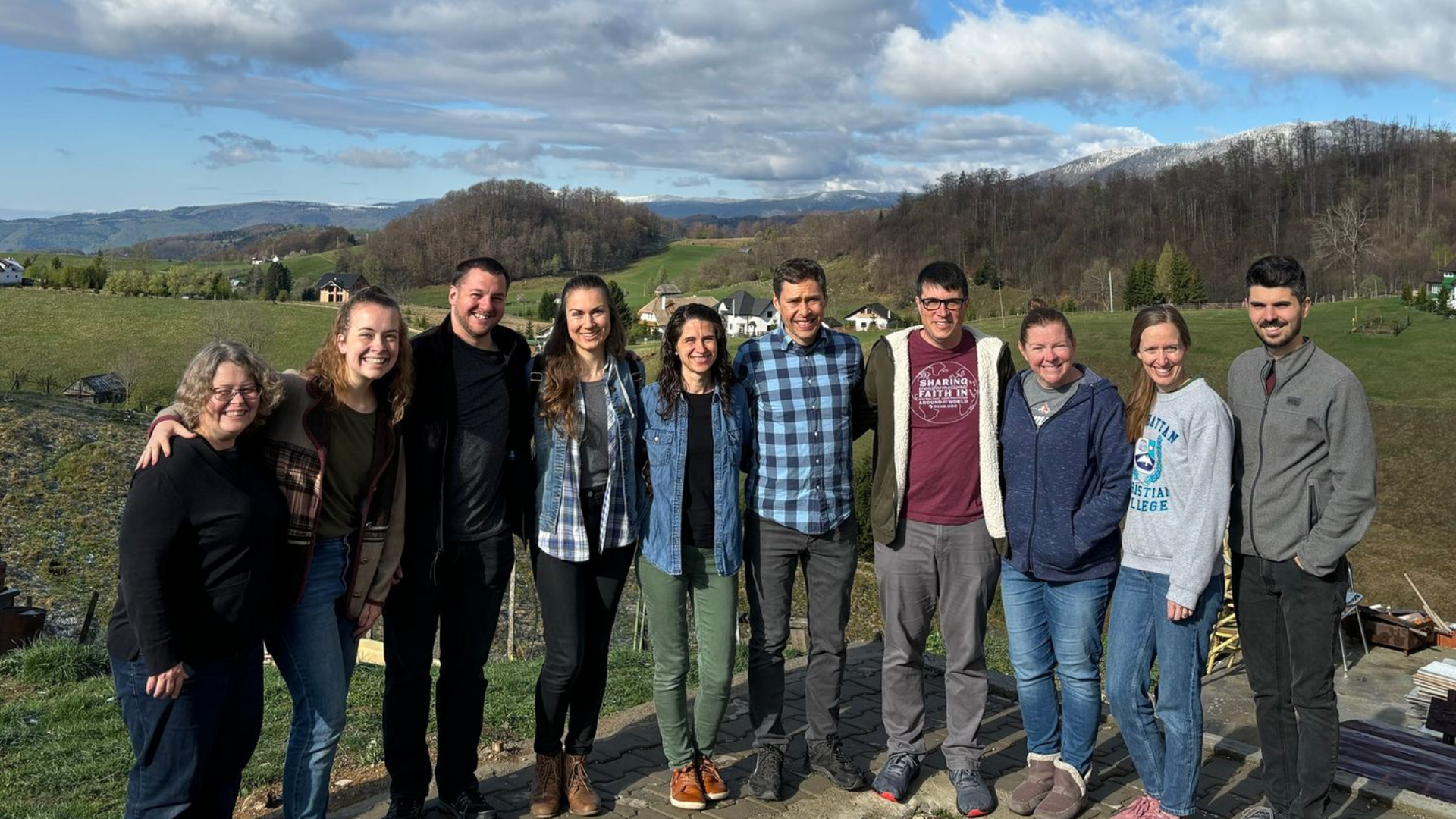
Choosing a Missions Organization: Why SEND International Stands Out “Why should I be a missionary through SEND International?” Jenna, a new missionary in Eastern Europe, shared with us what she appreciates about working with SEND. The highlights for her are: - Devotion to prayer - Diligence in communication - Commitment to development - Intentionality in accountability Prayer “Back in September of 2022, the Lord reconnected me with SEND after I had met them a year prior at the Moody Bible Institute. However, before he would sign me up for anything, my Missions Coach encouraged me to pray. He said something to the effect of, "I know that you've been praying on your own for a long time. But as the Church, we are not called to walk alone. So, you and I won't talk for about a month unless you have questions. I want you to go pray with 5 or 6 others from your church about where God is calling you." That October, more than 10 friends prayed with me and we saw God answer as He directed me to Romania. From February 2024 to November 2025, I had the pleasure of being a part of team meetings in Romania with my SEND colleagues. Our meetings were four hours long, two for prayer and two for business. This has been the minimum for our team. There are also prayer meetings with the local churches we partner with, among smaller groups within our team, of course prayer with many of you across the pond, including those at our US office. The organization was built, has been sustained, and continues to run on prayer. This is my favorite thing about SEND. Communication As I mentioned above, we have a two hour block for business / ministry details in each of our meetings. This provides consistency across our team which works alongside three different churches and in a variety of ministries. It also helps us to communicate about the need for change or growth, alongside what is working well. In addition, my team director also meets with each of us, allowing us to communicate needs, considerations, and prayer requests. I've also enjoyed getting to work with SEND workers outside of my immediate region . We receive emails with the minutes from the Europe leadership team, Friday communications from our international director, and information regarding projects that affect our work among the unreached. In December of 2024, our international director at the time wrote a note to my parents for the first Christmas that I was gone. If nothing else had convinced my mom yet, this did. He took the time to care for me, but also to care well for the parents that were sending me (What it meant to my dad and mom for him to do this well has been one of the greatest ways I've been supported.). I also have some pretty wonderful regional directors. These people have prayed alongside us (while also serving in their own countries of service), they have taken time to come visit and encourage our team, and they have also taken the time to encourage the people in our churches. Development SEND has provided much in the area of development and care (spiritually, physically, mentally, and emotionally). At our regional conference (every three years), there have been medical check ups available, counseling options, and time for connecting with others on the field with similar experience. At our conference last October, I connected with a missionary who served overseas for many years, and is now serving on the administrative side of SEND. She has met with me since then for mentorship and has also invested much of her time recently in preparing a retreat for the singles across Europe. Accountability Over the years I have read and heard amazing stories of how God has worked through missionaries. God has done great things and great things He is still doing! However, people who have committed their lives to the Lord in this way are not “super Christians”. We are still humans with the same struggle against flesh that others have . A major challenge is in being isolated -- living in areas with little to no presence of other believers to sharpen them can cause many difficulties. SEND has been a great resource in this area too. Through my team, I have an accountability partner that I meet with monthly. When my regional director came to visit, he and his wife spent a day with me and asked intentional questions about how I lead, handle conflict, and how I am growing in general as a Christian. In addition, my teammates share their wisdom with me on a regular basis. These things and more have assured me that SEND International is a highly valuable organization and I'm excited to partner with them in service to, for, and with our great God! Interested in being sent by SEND?

Learn about the spiritual harmony in Vietnam & how missionaries engage with college students. Join us in sharing the gospel!

Explore Georgia's spiritual heritage and the impact of SEND International's mission. Join us in fostering authentic relationships today!